
GPhC Registered Pharmacy — Verified & Trusted

Urinary Incontinence Treatments

Urinary incontinence is the accidental leakage of urine caused by weak muscles, nerve issues, or bladder problems. It can be improved through pelvic floor exercises, lifestyle adjustments, and medical support. With proper care and early action, most people regain control and confidence in their daily lives.

By clicking start your consultation you agree to our Privacy Policy and confirm that you are over 18 years of age.

15%
Avg. body weight lost
92%
Patient satisfaction
1,000+
Patients treated
4.9★
Patient rating
Urinary Incontinence
UK-registered prescribers review every order
Clinically-approved treatments only
Discreet next-day delivery
Ongoing prescriber support
GPhC Registered
Next-Day Delivery
1

Start Consultation

Answer a short medical questionnaire

2

Choose Treatment

Select your preferred option

3

Prescribe

Prescriber reviews & approves

4

Review

Pharmacist clinically checks

5

Delivered

Discreet next-day delivery

TREATMENTS

Treatments for Urinary Incontinence

Search for the right urinary incontinence treatment in our online store, or contact us for expert advice.

About This Condition

Understanding urinary incontinence treatments

Search for the right urinary incontinence treatment in our online store, or contact us for expert advice.

Urinary incontinence

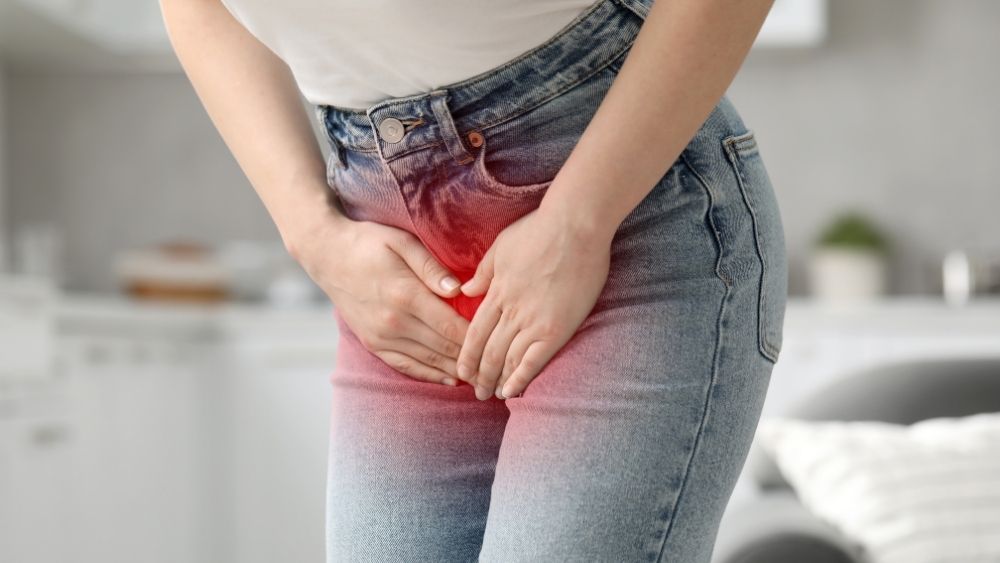
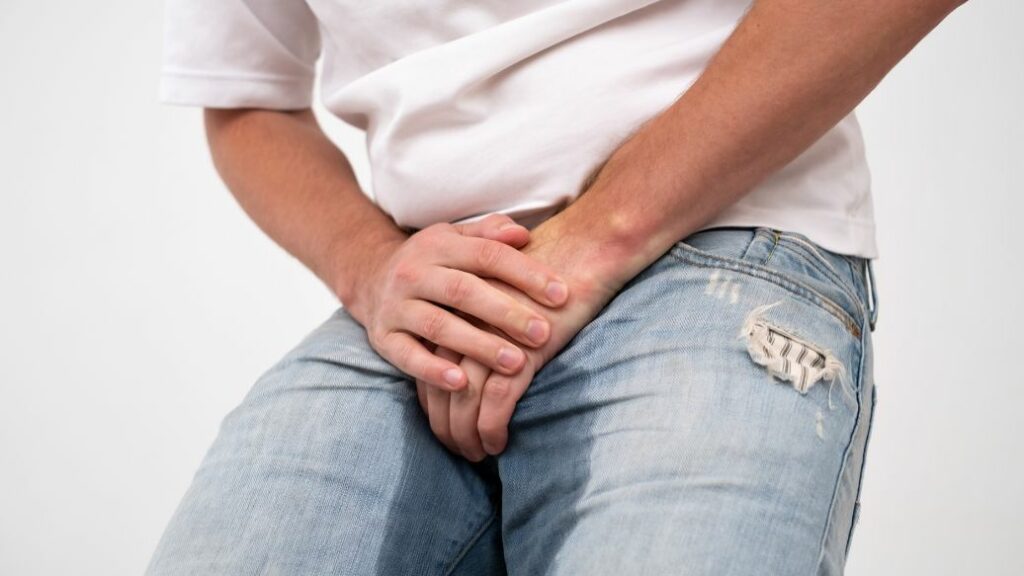
Urinary incontinence is the unintentional loss of urine, ranging from small leaks to a complete inability to control bladder flow. It is a common condition that can affect both men and women, though it is more prevalent in women due to factors such as pregnancy, childbirth, and menopause. While not usually serious, it can impact quality of life, causing embarrassment, anxiety, and changes in daily habits.

There are several types of urinary incontinence. Stress incontinence occurs when physical movement or pressure — such as coughing, sneezing, or exercising — causes leaks. Urge incontinence involves a sudden, intense need to urinate followed by involuntary leakage. Overflow incontinence happens when the bladder doesn’t empty completely, leading to dribbling. Some people experience mixed incontinence, which combines more than one type.

Common causes include weakened pelvic floor muscles, nerve damage, urinary tract infections, and certain medications. Hormonal changes during menopause, prostate problems in men, and conditions such as diabetes or obesity can also contribute. In some cases, lifestyle habits like excessive caffeine or alcohol intake can aggravate symptoms.
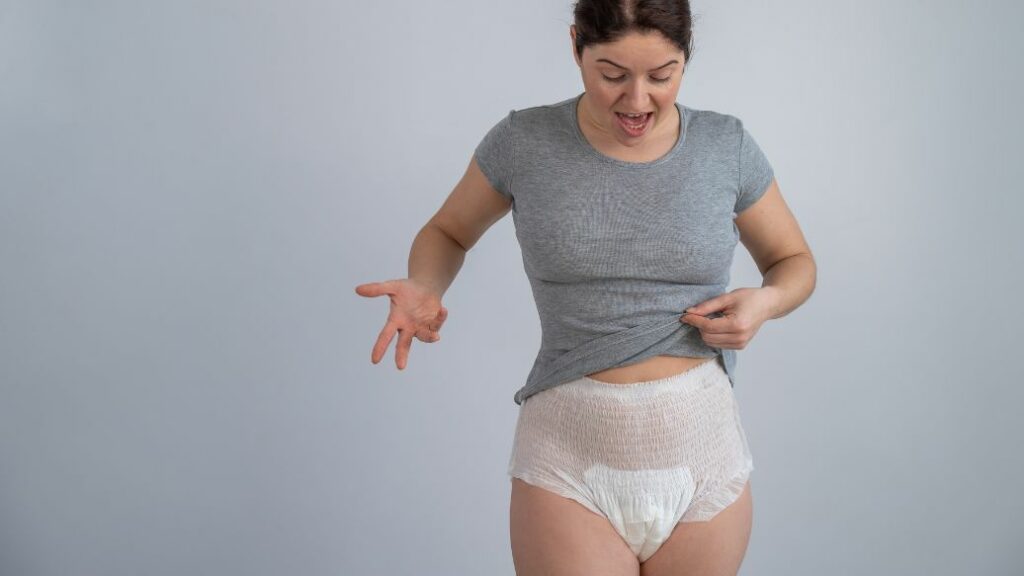

urinary incontinence

Strengthening the pelvic floor muscles is one of the most effective ways to improve bladder control. Pelvic exercises, often called Kegels, help support the bladder and urethra. Maintaining a healthy weight, managing fluid intake, and avoiding bladder irritants such as caffeine and fizzy drinks can also help reduce symptoms.

For some people, scheduled toilet trips, known as bladder training, can help retrain the bladder to hold urine longer. In more persistent cases, medical treatments or specialist support may be needed to identify the underlying cause and develop an effective plan.

Although urinary incontinence can be distressing, it is treatable and often significantly improved with lifestyle changes, exercises, and medical guidance. Early intervention helps restore confidence and improve overall well-being.

Patient Reviews

What our patients say

Real feedback from real patients.

“

Best pharmacy service I've used. Properly supported with check-ins — not just a dispensing machine. Real clinical care.

MS
Mitesh S.Verified Patient
“

I was nervous about ordering online but the team were so professional and the consultation felt thorough. Highly recommend.

NH
Nicola H.Verified Patient
“

Incredibly smooth process from start to finish. Medication arrived the next day in discreet packaging. Will definitely use again.

GE
Gareth E.Verified Patient

Patient stories

Hear from patients about their experience, in their own words.

FAQs

Urinary Incontinence questions

What are the main types of urinary incontinence?

Common types include stress incontinence (leaks during physical movement), urge incontinence (sudden need to urinate), and mixed incontinence (a combination of both).

It can be due to age, childbirth, prostate issues, neurological conditions, or weakened pelvic floor muscles.

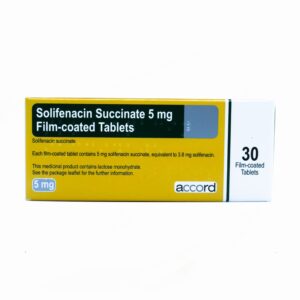
Prescription medications like Solifenacin and Oxybutynin help by calming bladder activity and reducing urgency and frequency.

Improvements may be noticed within a few days, with full effect usually seen after 2–4 weeks of consistent use.

Yes. Complete a brief consultation and, if suitable, a prescriber will approve your treatment for fast and discreet UK delivery.

Ready to get started?

Start your consultation online or speak to our pharmacy team. We're here to help.

Start Your Consultation
Trusted By & Working With